We get often asked how to hold attention and deal with disruptions when starting an interactive lesson.
Keeping your learners engaged as you set up the lesson is important.
Lose them at the outset and it can be very difficult to turn things around.
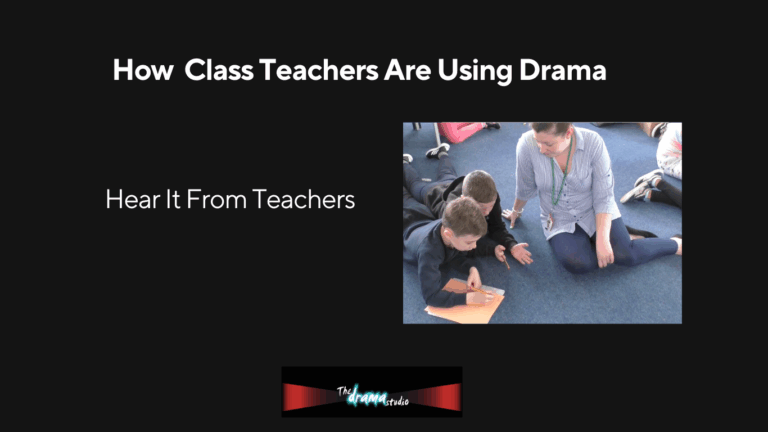
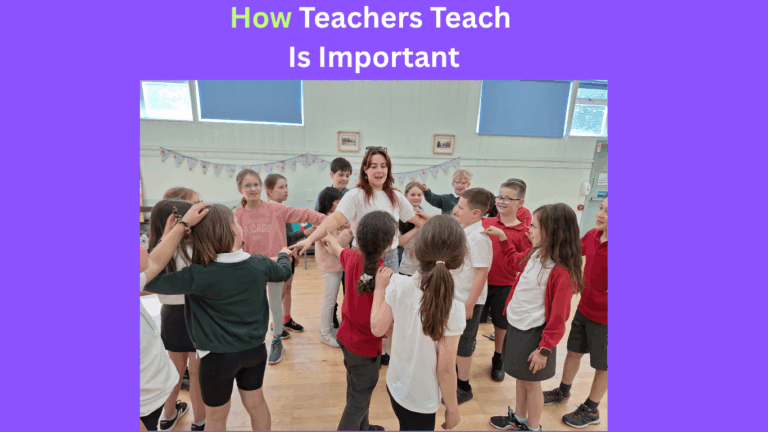
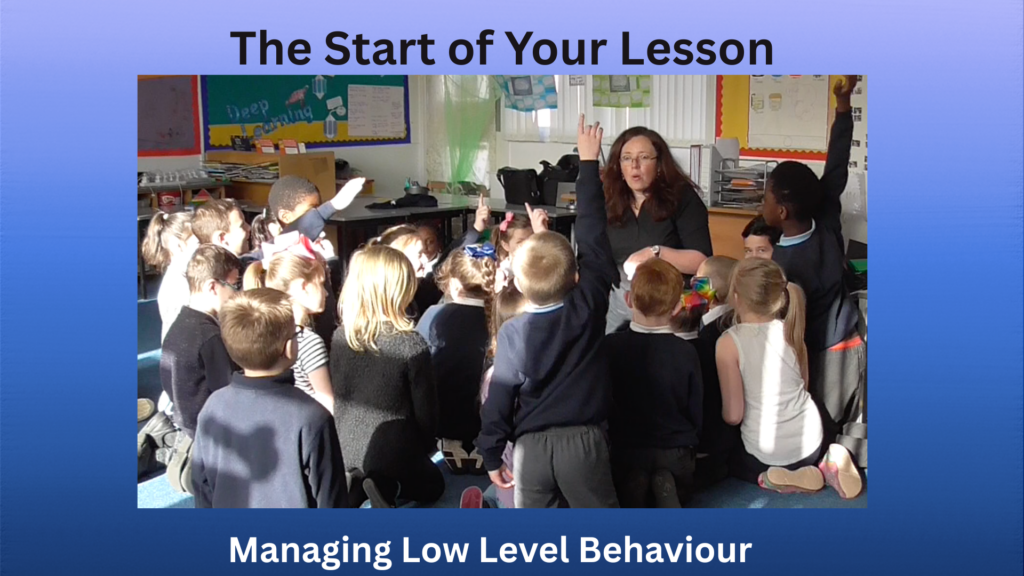
To introduce a lesson we find it best to get them away from formal seated positions.
We tend to use a cleared space in the classroom – doesn’t have to be massive- just enough room for your learners to gather and sit on the floor.
If you are happy to sit down there with them then that is great.
I must admit I’m less agile these days and usually pull up a chair.
If I do venture on to the carpet there’s plenty of willing volunteers to help me get up again!
The point here really is getting eye contact with your students, level enough for maximum engagement, but with enough visibility to see everyone.
With you beside them you also create that bond that says we’re doing this altogether.
Pre-empt Any Disruption
Once everyone is sitting and ready your next few words of introduction might go as follows:
“That’s good, before we start look at where your sitting and if you feel you might get distracted here then now is the time to move”
So you praise the class for getting assembled and then highlight potential distraction.
This gives the individual child a choice to make that move now.
This is no guarantee that distraction and messing about will not occur but it does signal your intention is to get co-operation and that you trust their judgement on this.
Low Level Behaviour
Despite up fronting the interruptive potential, you may well still get what we’ve heard teachers refer to as low level behaviour.
This is when a restless child starts zoning out and tries to encourage other/s to join in.
Nudging, poking, whispering, fidgeting. It is most often barely audible, under the radar.
This can be annoying for those sitting beside this child who do not want to engage with them.
We frequently see a child get up and move away rather than get drawn in – perfectly showing that your upfront has worked.
Usually this creeping annoyance is also more irritating for the teacher than the majority of other children who are still engaged with the lesson.
We recommend, if you see that everyone else is still engaged – ignore this low level behaviour rather than call it out.
Teachers who watch us teach often remark on the fact that we do this where they would have been inclined to intervene and use a nip-it-in-bud tactic.
However, if most of your learners are still engaged, the second you stop to reprimand the offender, you break this engagement.
At the very least the class focus is compromised.
How Do You Deal With It Then?
Look for a way to deal with the issue inside of your lesson intro and not external to it.
Remember it’s likely at this point there’s only you, the child causing the issue, and an other/s sitting very close nearby that are really affected.
Here are a few tips to re-engage the child and halt the behaviour escalation.
1. Scan the group visibly addressing everyone, but lingering slightly longer on the offender as you say:
“I’m looking to see who will have good ideas for this part of the story, to see who is going to be ready to take part……..”
2. Create a change in your delivery as if coming to a very intriguing part of the story, lower your voice almost into a tone of secrecy.
“Everyone listen, you’ll not want to miss this ………….
3. Ask a question of the class and then choose someone sitting very close to the child to give an answer.
Now everyone will momentarily be drawn towards the direction of the annoying behaviour source.
This small intervention can often break the behaviour.
4. You can also directly ask a question of the restless child, that completely disregards the behaviour, but re-engages them.
And …. If you actually praise the child’s response, it could be enough to close down the problem and pull them back in to the lesson.
What If It Continues?
If behavioural redirects, and attention shifting does not work, then, depending on the level of disruption, you might have to deal with it head on.
However we would recommend you do not force a confrontation that effectively spoils the atmosphere you have built up with the others.
We have seen this happen so often.
An engaging start of a quality lesson starts to crash when a disruptive element takes all the attention.
So at this point set your learners on a task, a group scene, a paired activity so that they are minimally affected and still in the moment.
Once they are started then you can then deal with issue by taking the child to the side in a one-to-one, matter of fact conversation.
” I noticed your behaviour there. It’s not acceptable and it’s not fair on everyone else.”
Explain that unless they can tell you they’re ready to take part now, they can sit out until they can come and tell you that they are.
This gives them a choice.
It moves away from what you’re going to do about it to what they’re going to do.
By telling you they are ready to join in makes them proactive and builds responsibility into that agreement.
It Could Still Escalate
Yes it could… however…..
Drama approaches and interactive teaching is, by its very nature, appealing to most children.
Even with the most difficult classes we’ve worked with there is very rarely anyone who is excluded or not allowed to take part.
We have on occasion had to create time-out for a child.
But I can only recollect a couple of instances where someone needed to be removed from the class.
Success in managing the problem most often depends on your response to low level behaviour before it escalates.
Getting that sorted at this point is an understated way to fix it.
In many cases the others in the class might hardly be aware there’s been an issue at all.
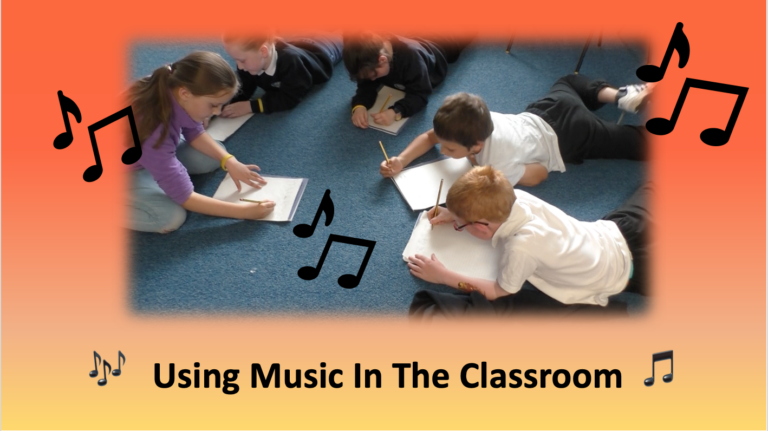
TOP TIP – We often use background music when we introduce a drama lesson.
Especially if there’s intrigue, a mystery, a problem to solve.
Find something suitable for your content and just pop it on as your learners are gathering at the start.
Music has a profound affect on mood and behaviour.
If you’re not using it you are missing out on a highly effective support for class engagement.
I learned how to manage low behaviour from an amazing, talented teacher called Kevin Parker.
You can read about the very lesson I saw Kevin teach that totally changed the way I dealt with it.
CLICK HERE TO READ KEVIN AND THE HIGHWAY PATROL KID
If you have an ongoing issue with this kind of behaviour and want any advice get in touch.